
The Portuguese Way from Tui
An unforgettable experience amidst history, nature and tradition
The Portuguese Way from Tui is much more than a hiking route: it's a journey of reconnection, verdant landscapes, and authentic Galician tradition. Along a little over 100 kilometers, you'll walk through lush oak forests, cross medieval bridges steeped in history, and pass through historic towns where the local cuisine and hospitality will make you feel right at home. Whether it's your first time on the Camino or you're looking to relive its magic, this route offers the perfect balance between nature, culture, and the spirit of self-improvement, all at a manageable pace and surrounded by wonderful company.

History of the Portuguese Way: Following in the Footsteps of Ancient Pilgrims
The Portuguese Way is one of the oldest and most historic pilgrimage routes in the world. Its origins date back to the 9th century, following the discovery of the tomb of the Apostle James in Compostela. Since then, kings, nobles, religious figures, and devotees from all over Europe have crossed Portuguese and Galician lands, tracing the route we know today.
1. The link between two countries
The city of Tui has historically been the natural gateway to Galicia for travelers from Portugal. By crossing the emblematic Miño River, pilgrims not only entered a new territory, but also embarked on the final spiritual leg of their journey that would lead them directly to the Cathedral of Santiago.
2. Roman roads and medieval heritage
Much of the route follows the ancient Roman Via XIX, one of the most important trade routes in ancient Hispania. Walking along this path today, you not only follow in the footsteps of medieval pilgrims, but also tread on ancient cobblestones, cross historic bridges like the Pontesampaio Bridge, and admire monuments that have witnessed the passage of centuries.
3. The route of Isabella of Portugal and the Jacobean devotion
One of the most celebrated milestones on this route was the pilgrimage of Queen Isabella of Portugal in the 14th century, who traveled this path to Santiago, offering her crown before the altar of the Apostle. Her journey definitively popularized this route, establishing it as the second most traditional pilgrimage route in the world.
Today, walking the Camino from Tui allows you to connect directly with this living heritage: a perfect combination of devotion, culture and the fraternal hospitality that has always characterized the Galician and Portuguese peoples.
What awaits you on the Portuguese Way

Nature and picture-postcard landscapes
Native forests: You will walk in the shade of *carballos* (native oaks), chestnut trees, and eucalyptus along magical stretches such as the Bermaña River valleys.
River and coastal landscapes: From the majesty of the Miño River as you leave Tui, past views of the Vigo estuary from the heights of Redondela, to the tranquil waters of Caldas de Reis.
Accessible terrain: Unlike other, more rugged routes, the Portuguese Way offers a gentle profile, perfect for both experienced walkers and those undertaking their first major long-distance trek.

Heritage, history and legends
Tui and its Cathedral Fortress: The perfect outing from a medieval gem on the banks of the Miño.
Pontesampaio: You will cross the historic stone bridge over the Verdugo River, the scene of epic battles against Napoleon's troops.
Pontevedra: One of the most beautiful cities in Galicia, with a pedestrianized historic center full of charming squares and the iconic Church of the Pilgrim Virgin (with a floor plan in the shape of a scallop shell).
Padrón: The cradle of the Jacobean tradition, the place where legend says the Pedrón (the stone boat that brought the remains of the Apostle) was moored.

A journey that can also be enjoyed with the palate
Local cuisine: You can taste the famous Padrón peppers, the best seafood in the Rías Baixas area and the traditional Galician empanada.
Wines from the Rías Baixas DO: The route crosses valleys of vineyards where Albariño wine is the main protagonist.
Tapas culture: At the end of each stage you will discover the warm hospitality of the local taverns and the rich gastronomic tradition of the region.

Why start the Camino in Tui?
If you're looking for the perfect experience on the Portuguese Way, starting from the historic city of Tui offers unique advantages that make this route the most popular and recommended option:
Exact distance to obtain the "Compostela"
To obtain the official pilgrim's certificate (the Compostela), the Pilgrim's Office requires that at least the last 100 kilometers have been walked. The distance between Tui and Santiago de Compostela is approximately 115 km, making it the ideal starting point to achieve this milestone in 6 perfectly balanced stages.
Flawless connection and logistics
Tui is a border city with excellent transport links from both Spain and Portugal (just 25 minutes from Vigo Airport and 1 hour from Porto Airport). Furthermore, with The Pilgrim Hub's physical headquarters located in the heart of the historic center, we can welcome you in person to answer your questions and give you your kit before you begin.
Varied landscapes and pleasant stages
The section from Tui is notable for its gentle and accessible profile, alternating between shady areas amidst Galician forests, vineyard valleys, and pedestrianized historic centers. It's the perfect route for both novice pilgrims and those seeking a pleasant walking pace without strenuous inclines.
The authentic Jacobean atmosphere
From Tui onwards, the Camino takes on a special energy. You'll meet pilgrims from all over the world, sharing experiences, conversations, and the true spirit of brotherhood of the Camino de Santiago, without the overcrowding of other routes.
Stages

Tui
The essence : Border history and medieval lordship.
What you can't miss : Its impressive Cathedral-Fortress of Santa Maria, the layout of its cobbled historic center and the walks along the banks of the Miño River looking towards Portugal.
.jpg)
Porriño
The essence: Vitality, industry and unique architecture.
What you can't miss: The iconic Town Hall designed by the famous architect Antonio Palacios and its lively terrace area in the pedestrian center.

Redondela
The essence: The town of viaducts with the scent of the sea.
What you can't miss: Its spectacular 19th-century railway viaducts that cross the town's sky and the maritime atmosphere overlooking the Vigo Estuary.

Pontevedra
The essence: Art, charming squares, and a pedestrian-friendly hub.
What you can't miss: Its historic pedestrian center (one of the best-preserved in Galicia), the unique Chapel of the Pilgrim Virgin, and its lively squares for tapas.

Caldas de Reis
The essence : Health, nature and ancient hot springs.
What you can't miss : Its public fountains of healing thermal waters (perfect for relieving your feet), the Carballeira on the banks of the Umia River and its botanical surroundings.
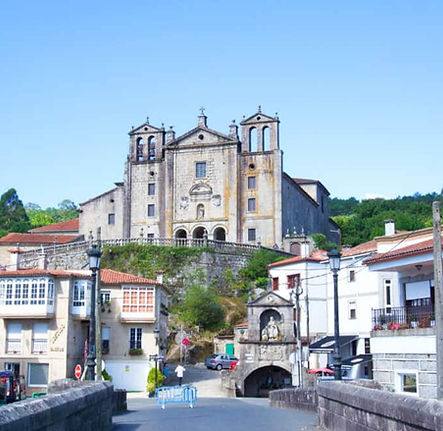
Padrón
The essence : Jacobean tradition and cradle of Galician literature.
What you can't miss: The Church of Santiago with the historic Pedrón, the Espolón promenade and the opportunity to taste its famous Padrón peppers.

Santiago de Compostela
The essence: The culmination of the journey and a heritage of humanity.
What you can't miss : The breathtaking entrance to the Plaza del Obradoiro, the visit to the Cathedral and the shared emotion with pilgrims from all over the world.
Practical tips for preparing your trip
To ensure your experience on the Portuguese Way is unforgettable and free of surprises, take note of these key recommendations from our local team:
Choose the best time for hiking
Spring and Autumn (April - June / September - October): The ideal seasons. Mild weather, pleasant temperatures for walking, and landscapes at their most beautiful.
Summer (July - August): Longer and sunnier days. Although temperatures in Galicia are usually moderate, it is recommended to start walking early to avoid the hottest hours of the day.
Winter (November - March): For those who love absolute tranquility. Good gear for rain and cold is essential.
Footwear: Your best ally
No new shoes: Never wear new footwear on the first day of the Camino. Use hiking boots or trail running shoes that your feet are already broken in (with at least 50-100 km of prior use).
Technical socks: Invest in seamless socks made of synthetic materials or merino wool to avoid chafing and blisters.
Physical preparation and equipment
Train in advance: Take progressive walks in the weeks prior, alternating between terrain and gentle climbs.
Light backpack for the journey: Remember that with our packages we transport your main luggage from hotel to hotel. During the stage you will only need a small backpack (20-30L) with water, some snacks, sun protection, a light rain jacket and your documents.
Choose how you want to live your Journey
Discover the perfect option for you

249€
Private hostels, backpack transport, telephone assistance, basic insurance, initial meeting, credential and information.

Contact us

Rúa Coruña, 10, 36700 Tui, Pontevedra
thepilgrimhub.com
+34 604 84 99 12